

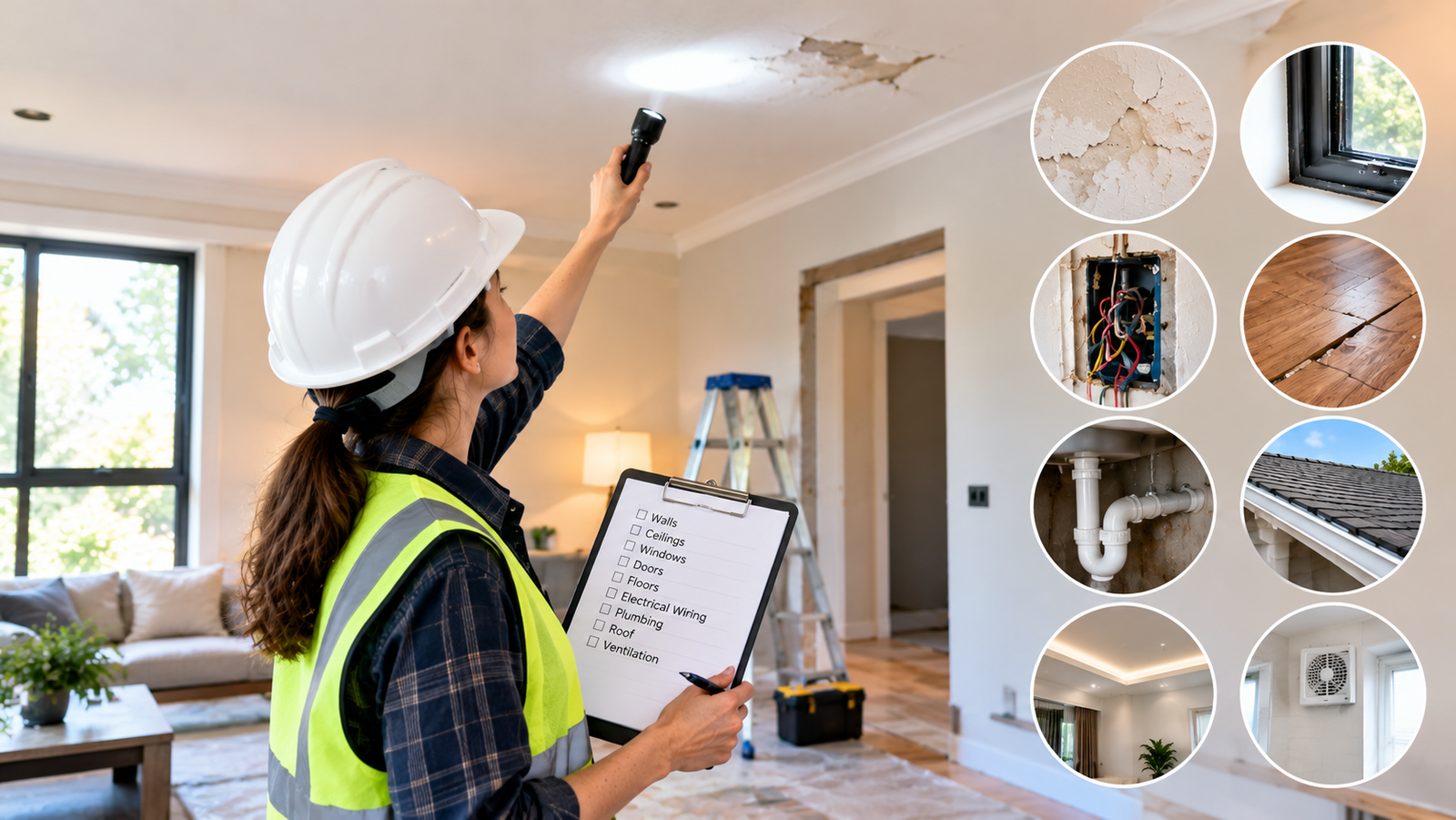
The purpose of home renovation is not just to make a house beautiful. A successful renovation improves a home’s safety, comfort, functionality, and appearance. When you plan to make changes to your home, the first thing you need to understand is which areas need repairs and which upgrades can improve your daily life. Decoradhouse renovation tips from decoratoradvice can help homeowners understand different aspects of renovation, whether they want to update one bedroom or renovate the entire house. With proper planning, you can avoid unnecessary expenses and spend your available budget on important improvements. Before starting the renovation, check the condition of the walls, flooring, electrical wiring, plumbing, roof, kitchen, bathroom, and ventilation. This inspection will give you a clear idea of which repairs should be prioritized in the project.
Start Renovation With a Home Inspection
A proper inspection is the foundation of every successful renovation. Do not make decisions just by looking at damaged paint or old furniture. There may also be problems inside the house that are not visible on the surface, such as concealed pipe leaks, damaged wiring, or moisture inside the walls. Carefully inspect the walls, ceilings, windows, doors, and floors in every room. If the paint is bubbling, plaster is coming off, or brown patches are visible on the ceiling, first identify the actual cause of the problem. It is also important to understand cracks. Small surface cracks may be cosmetic issues, but widening cracks, uneven floors, or signs of structural movement should be inspected by a qualified professional. After the inspection, make a list of repairs. Solve safety-related problems first, then complete essential repairs, and finally finish the decorative improvements. This way, you can manage the renovation with clear priorities.
Renovation Budget and Material Selection
Budget planning is one of the most important steps in renovation. If you do not estimate expenses before starting the project, unexpected costs can leave the work incomplete. When applying Decoradhouse renovation tips from decoratoradvice, calculate labour, materials, transportation, waste removal, and finishing costs separately. Get a written quotation from the contractor and confirm whether it includes materials, installation, and cleanup. When selecting materials, do not focus only on the lowest price. Compare the quality of tiles, paint, pipes, electrical fittings, and cabinet hardware as well. If inexpensive materials get damaged quickly, you may have to spend extra money on future repairs. Keep some of your budget reserved for unexpected problems. Additional repairs may come to light after demolition in an older house. Depending on the complexity of the project, keeping approximately 10–15% of the budget as a contingency reserve can be a practical planning approach. Consider luxury fixtures and decorative accessories after completing basic repairs. This allows you to address the home’s essential needs first.
Electrical Wiring and Lighting Improvements
The electrical system should not be ignored during renovation. Old wiring, loose connections, overloaded circuits, and damaged sockets can create safety risks. Have a qualified electrician check the condition of the wiring, circuit breakers, grounding, switches, and sockets. Suitable circuits and protection may be necessary for kitchen appliances, air conditioners, and other heavy electrical equipment. These requirements should be determined according to the appliance load and local electrical standards. When making a lighting plan, consider the purpose of each room. Comfortable ambient lighting and bedside lights are useful in a bedroom. Focused lighting over the countertop makes food preparation easier in the kitchen. In the bathroom, install fixtures with suitable ratings for moisture exposure. If you want to give a room a modern look, improve the placement of lights instead of increasing their number unnecessarily. Make use of natural daylight and plan switches in convenient locations. It is better to complete the rough electrical work before plastering and applying the final finishes. This reduces the need to open the walls again later.
Plumbing and Bathroom Renovation
Plumbing problems can cause moisture, damaged finishes, and unnecessary maintenance costs in a house. Leaking taps, slow drainage, low water pressure, and damaged pipe joints should be checked during renovation. Have a plumber inspect the water supply lines, drainage pipes, valves, and concealed connections. If the pipes are damaged, complete their repair or replacement before installing tiles and cabinets. Pay special attention to waterproofing and drainage slopes during bathroom renovation. Water in the shower area should flow toward the drain, and standing water should not remain on the floor. Proper ventilation also helps reduce the risk of moisture and mould. The placement of the toilet, shower, basin, and storage should be practical. Before purchasing fittings, check the measurements, water pressure, available space, and availability of replacement parts. If there is already a leak in the bathroom, simply installing new tiles will not be a permanent solution. First identify the cause of the leak and then complete the finishing work.
Kitchen Renovation and Smart Storage
When renovating a kitchen, prioritize daily use along with appearance. Arrange the cooking, washing, food preparation, and storage areas so that movement remains comfortable. Consider the available space and walking paths when planning the placement of the fridge, sink, and cooking area. Keep frequently used utensils on accessible shelves in the cabinets and use upper storage for items that are used less often. When selecting a countertop, compare durability, ease of cleaning, heat resistance, and maintenance requirements. Choose suitable moisture-resistant materials for cabinets and reliable hinges. Finalize plumbing and electrical points before installing kitchen cabinets. Confirming appliance measurements in advance can help avoid fitting problems and unnecessary alterations. If the budget is limited, repairing or repainting existing cabinets and replacing their handles may be an option. Complete kitchen replacement is not necessary for every renovation.
Flooring, Wall Paint, and Ceiling
The selection of flooring depends on the use of the room and its maintenance needs. Durability and easy cleaning are important in the living room, while slip resistance and water suitability should be prioritized in bathrooms and wet areas. Measure the length and width of the floor before purchasing tiles. Additional material may be needed for cutting and wastage, but it is better to confirm the exact quantity with the installer. Address loose plaster, cracks, and dampness before painting the walls. After cleaning and drying the surface, apply a suitable primer and paint. If the source of moisture has not been fixed, even fresh paint may start peeling after some time. When renovating the ceiling, consider the room’s height and lighting arrangement. A false ceiling can be attractive, but it is not necessary in every room. In rooms with low ceilings, a simple ceiling finish may be a more practical choice.
Bedroom, Living Room, and Interior Design
Comfort and storage should be prioritized when renovating a bedroom. Plan the bed, wardrobe, side tables, and walking space together. Leave sufficient clearance to open wardrobe doors and drawers. Arrange the furniture in the living room so that entrances and walking paths are not blocked. In small rooms, multipurpose furniture and wall-mounted shelves can help make efficient use of the available space. When selecting a colour scheme, coordinate the shades of the walls, curtains, flooring, and furniture. Light colours can make a room feel visually more open, while limited accent colours can make the interior attractive. Allow natural light to enter the room. When selecting curtains and blinds, consider privacy, sunlight, and ventilation. Keep decorative items limited and purposeful so that the room does not look cluttered. The practical approach of Decoradhouse renovation tips from decoratoradvice is to make design decisions according to the home’s actual needs rather than following temporary trends alone.
Roof, Exterior, Doors, and Windows
The condition of the home’s exterior and roof is also an important part of renovation planning. Ignoring roof leaks, damaged sealants, and exterior cracks can damage interior walls and ceilings. If you notice water pooling or leakage on the roof, have it inspected by a qualified professional. Select a suitable waterproofing system according to the surface condition and local weather. Check the hinges, locks, frames, and seals of doors and windows. Replacing damaged seals can reduce unwanted air and water entry. If windows do not open smoothly, inspect their alignment and hardware. Ensure adequate ventilation in the kitchen and bathroom. When selecting exterior paint and finishes, consider weather resistance and maintenance requirements. In the case of major exterior cracks or structural movement, a professional assessment is necessary before cosmetic repairs.
One Bedroom Renovation Example With Budget Table
Let’s consider an example of a single bedroom to understand the budget practically. Assume the room is 12 feet long, 12 feet wide, and 10 feet high. Its floor area would be 144 square feet. The total gross area of the four walls would be 480 square feet, while the paintable area would be smaller after subtracting the spaces occupied by doors and windows. The ceiling area is 144 square feet. The prices given below are illustrative estimates in US dollars, not verified current market quotations. Actual costs may vary according to the country, city, labour rates, material quality, and existing room condition.
| Renovation Work | Estimated Cost (USD) |
|---|---|
| Wall preparation and minor repairs | $50 – $120 |
| Primer and wall paint | $100 – $220 |
| Basic electrical repairs | $40 – $100 |
| Switches and lighting fixtures | $35 – $100 |
| Flooring replacement | $180 – $450 |
| Minor plaster and finishing | $30 – $90 |
| Labour and miscellaneous | $60 – $150 |
| Estimated Total | $495 – $1,230 |

This example is for a basic bedroom renovation. It does not include new furniture, complete wardrobe replacement, major wiring replacement, structural repairs, or serious dampness treatment. Flooring expenses will depend on the condition of the existing floor and the selected material. If the existing flooring is usable, keeping it can reduce the budget. Similarly, improving only the paint and lighting in a room may cost less than a complete renovation. Before preparing the final budget, obtain itemized quotations from local contractors. Each quotation should clearly specify material quantities, labour, installation, and additional charges.
The Right Renovation Sequence
Keeping the correct order of work during renovation can reduce unnecessary labour and material waste.
The recommended sequence is:
- Inspect the house and plan the budget.
- Complete the required permissions and structural assessment.
- Carry out demolition and essential structural repairs.
- Complete the rough electrical wiring and plumbing work.
- Resolve waterproofing and leakage problems.
- Carry out plastering, wall preparation, and flooring work.
- Complete the ceiling and painting.
- Install electrical fixtures, sanitary fittings, and switches.
- Check doors, hardware, and final finishing.
- Test the systems and arrange final cleaning.
If a wall needs to be removed or a major structural change is planned in the layout, have it assessed by a qualified structural professional first. A load-bearing wall should not be removed without proper approval and assessment.
Final Quality Check and Maintenance
After completing the renovation, carefully inspect every room and installed system. Check electrical switches, lighting, water pressure, drainage, door hardware, and flooring condition. Test for leaks and drainage issues in the bathroom and kitchen. If unusual damp patches appear on fresh paint, investigate their cause. Have the contractor correct loose tiles, uneven flooring, or incomplete finishing. Keep material receipts, warranties, and product details safe. This information will be useful for future maintenance or replacement. Regular inspections of the roof, pipes, sealants, and electrical fittings can help identify small problems at an early stage. Timely maintenance helps preserve the home’s condition and control future repair costs.
Final Point Out
Decoradhouse renovation tips from decoratoradvice can help homeowners understand important renovation decisions and plan their projects with practical priorities. A successful renovation requires not only an attractive design but also safe electrical systems, reliable plumbing, proper waterproofing, and durable materials. Every home has different conditions and renovation requirements. Therefore, adjust measurements, material selection, and local quotations according to your project. With proper planning and regular quality checks, you can make your home more comfortable, functional, and long-lasting.
For more information and suggestions, Contact Us.

Minha is a content writer associated with Auravaxis, where she creates informative and engaging digital content. She focuses on simple, budget-friendly changes that make everyday living more comfortable. Through LaunchDecorYard, she shares honest ideas that work in real homes rather than expensive or complicated designs.
Pingback: Making Your Home Functional with Interior Design Designmode24 -
Pingback: Why Interior Design Is Interesting Mintpaldecor -